The recent U.S. Supreme Court ruling striking down President Donald Trump’s sweeping tariffs imposed under the International Emergency Economic Powers Act (IEEPA) has sent ripples across the Atlantic. European officials, business leaders, and industry groups expressed initial relief at the curb on executive overreach, but the decision has quickly evolved into a source of heightened wariness. Within hours of the 6-3 verdict on February 20, 2026, the administration pivoted by announcing a new 10% global tariff under alternative authorities, such as Section 122 of the Trade Act of 1974. This rapid response, combined with lingering questions over tariff refunds, the status of hard-won bilateral trade deals, and potential future levies via other legal pathways like Section 301 or Section 232, has plunged transatlantic trade relations into a fresh phase of unpredictability.
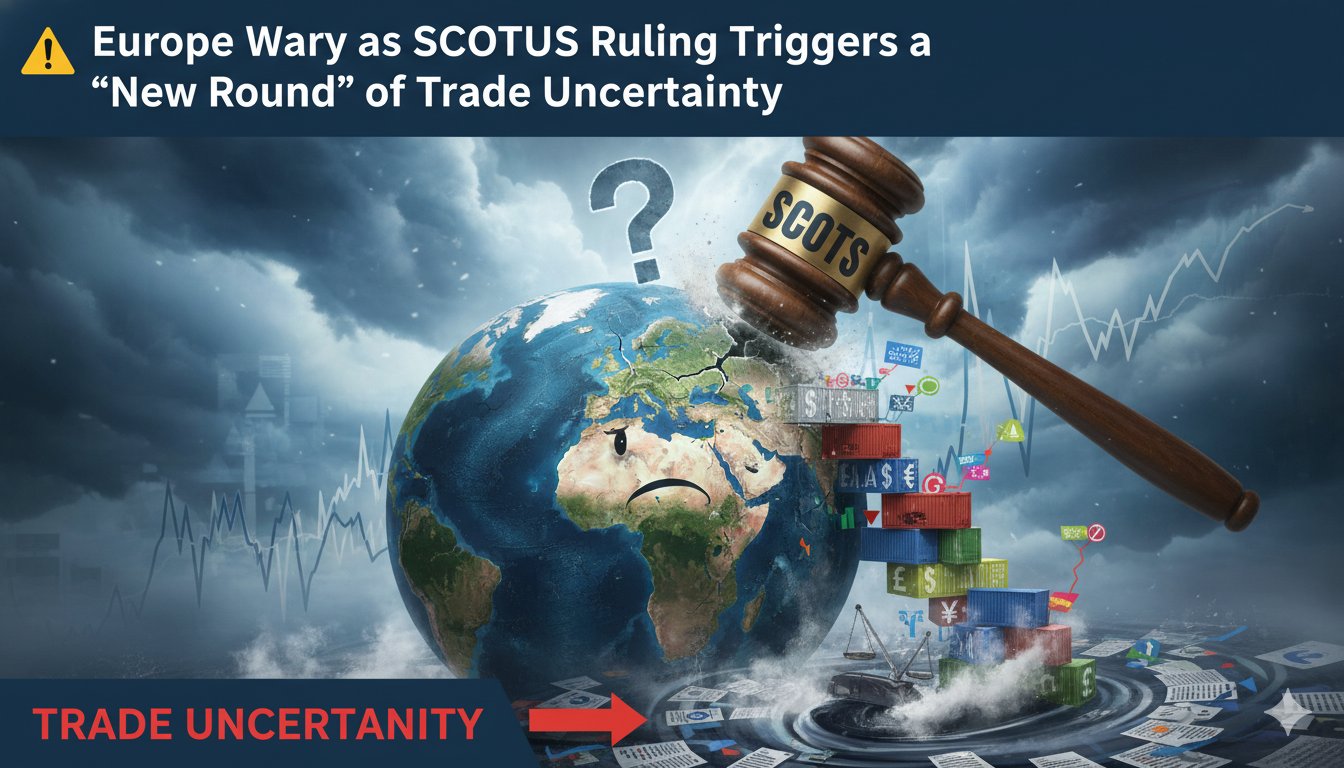
“Europe breathed a sigh of relief when the Supreme Court curtailed President Trump’s unilateral tariff powers under emergency laws, but the administration’s swift imposition of a new 10% global tariff and unresolved questions about refunds and existing agreements have ignited a new round of trade uncertainty, threatening to disrupt carefully negotiated deals and distract from … Read more